How Osteopathy Helps Sciatica
That sharp, radiating pain from the low back into the hip or leg can make ordinary days feel strangely complicated. Sitting through a meeting, getting out of a taxi, carrying groceries, or even trying to sleep can become difficult. If you are searching for how osteopathy helps sciatica, the real question is often simpler: why is this nerve so irritated, and what kind of hands-on care can calm it down safely?
Sciatica is not a diagnosis by itself as much as a pattern of symptoms. It usually refers to pain, tingling, numbness, or burning that follows the path of the sciatic nerve, often from the lower back through the buttock and down the leg. Some people feel a dull ache. Others describe electric pain, weakness, or a sense that one side of the body is not moving normally. The intensity varies, and so do the causes.
How osteopathy helps sciatica in practice
Osteopathy approaches sciatica by looking at the body as a functional whole rather than focusing only on the spot where pain is felt. In many cases, the sciatic nerve is irritated because surrounding structures are not moving or supporting the body well. That can involve the lumbar spine, pelvis, sacroiliac joints, deep hip muscles, connective tissue, or patterns of tension that developed over time.
An osteopath uses hands-on assessment to understand where movement is restricted, where tissues are overloaded, and whether the body is compensating around an old injury, long hours of sitting, athletic strain, pregnancy-related changes, or postural imbalance. Treatment then aims to reduce mechanical stress on the irritated nerve, improve joint motion, ease muscle guarding, and restore more efficient movement.
This matters because sciatica often has more than one contributing factor. A disc issue may be part of the picture, but so can tight gluteal muscles, reduced hip mobility, pelvic asymmetry, or stiffness higher up in the spine. If care only chases the site of pain, progress may be slower or incomplete. Osteopathic treatment is useful precisely because it looks for the chain of dysfunction, not just the end result.
What causes sciatic pain to persist
Sciatic symptoms can start suddenly after lifting, twisting, or sports activity. They can also appear gradually after months of desk work, repetitive training, pregnancy, or cumulative tension. The nerve may be compressed, inflamed, or sensitized by nearby tissues. Sometimes the root cause is clear on imaging. Sometimes scans show changes that do not fully explain the severity of symptoms.
That is one reason a skilled physical assessment is valuable. Pain traveling down the leg does not always mean the same thing from one patient to another. One person may have a lumbar disc bulge irritating a nerve root. Another may have irritation around the piriformis or deep gluteal region. Another may be dealing with pelvic mechanics that keep reloading the same tissues.
Persistent sciatica also tends to change how the body moves. People brace, limp, avoid bending, or shift weight away from one side. Those adaptations make sense in the short term, but over time they can create more stiffness, more muscle fatigue, and more pressure elsewhere. Treatment has to account for that broader pattern.
What an osteopath looks for
A careful osteopathic evaluation usually includes the lower back, pelvis, hips, posture, gait, and how symptoms respond to movement. The goal is not just to label the pain but to understand why this particular person is having this particular pattern now.
For some patients, the lower back is the main driver. For others, hip restriction or tension in the gluteal region is more relevant. In pregnancy or postpartum cases, ligamentous changes, altered load through the pelvis, and abdominal wall recovery may be part of the picture. In active adults and athletes, training load, impact history, and asymmetry often matter.
This individualized approach is one of the reasons patients seek osteopathic care. Sciatica can feel straightforward when described online, but in the treatment room it often requires nuance. The same symptom can come from different mechanical issues, and the most effective care plan reflects that.
How treatment is performed
When people ask how osteopathy helps sciatica, they often want to know what actually happens during treatment. In most cases, care involves a combination of gentle manual techniques chosen to match the patient, the acuity of symptoms, and the underlying cause.
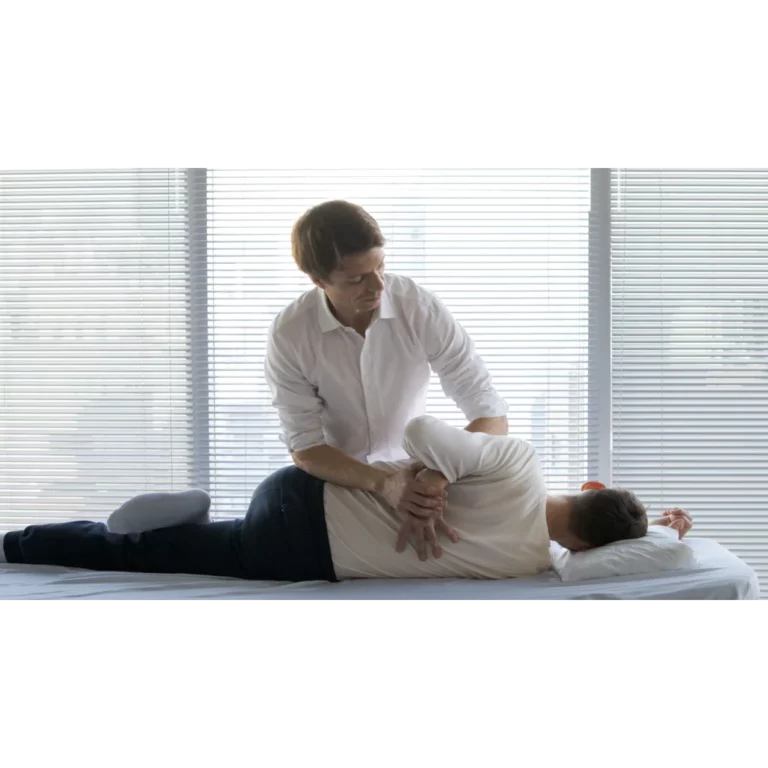
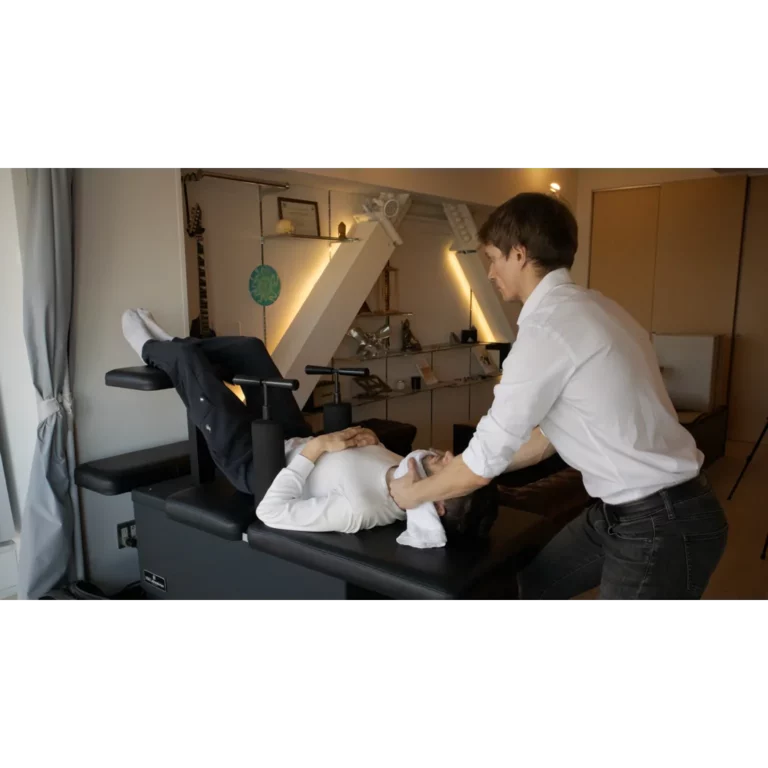
An osteopath may use soft tissue work to reduce excessive tension in the lower back, gluteal muscles, and hip rotators. Joint mobilization can help improve motion in the lumbar spine, sacrum, pelvis, and hips where stiffness is maintaining strain. More precise structural techniques may be appropriate in some cases, while in others a gentler approach is better, especially when pain is acute, the nervous system is highly sensitive, or the patient is pregnant.
Craniosacral or biodynamic techniques may also be used when the body is guarding strongly, stress is amplifying pain, or a more subtle approach is needed to help the nervous system settle. This does not replace structural work when structural treatment is necessary, but it can improve comfort and help the body respond more efficiently.
Treatment should not feel generic. Good osteopathic care is responsive. It changes according to how symptoms behave, what the hands-on assessment finds, and how your body tolerates each technique.
What patients may notice after treatment
Some patients feel relief quickly, especially when nerve irritation is being maintained by muscle spasm or joint restriction. They may notice less pulling in the leg, easier walking, or reduced pain when standing up after sitting. Others improve more gradually, particularly if the problem has been present for a long time or involves a disc-related component.
It is also common for progress to happen in stages. Pain may centralize first, meaning symptoms retreat from the calf or foot and become more localized to the buttock or low back. That is often a positive sign. Mobility may improve before pain fully settles. Sleep, sitting tolerance, and confidence with movement may all change before symptoms disappear completely.
There are trade-offs to be honest about. Osteopathy can be very effective for many forms of sciatica, but it is not magic and it is not the right standalone solution for every case. Severe nerve compression, significant weakness, loss of bladder or bowel control, or rapidly worsening neurological symptoms require urgent medical evaluation. Hands-on treatment works best when it is part of a responsible care plan.
How osteopathy helps sciatica alongside daily habits
Manual treatment is often most effective when supported by practical changes between sessions. That does not mean a long, complicated rehab program for everyone. It usually means a few specific recommendations based on the patient rather than broad advice copied from the internet.
For one person, the priority may be changing sitting duration and desk setup. For another, it may be adjusting gym training, improving hip mobility, or stopping repeated stretching that is aggravating the nerve. Pregnant patients may need positioning advice, pelvic support strategies, and gentle techniques that respect each stage of pregnancy.
The key point is that sciatica is often sensitive to load and position. Even excellent treatment can be slowed down if the same mechanical stress is repeated all day. A good osteopath helps patients understand what is helping, what is provoking symptoms, and what to expect as tissues calm down.
Who tends to benefit most
Adults with sciatica related to posture, sedentary work, sports strain, pregnancy, pelvic imbalance, or non-surgical mechanical low back issues often respond well to osteopathic care. Patients also tend to benefit when they want a more personalized assessment after generic advice has not solved the problem.
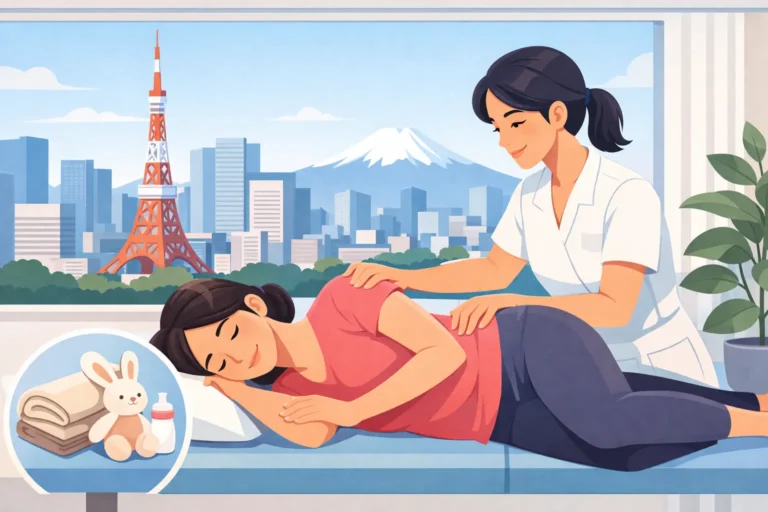
This is especially relevant in a busy city like Tokyo, where long commutes, desk-heavy work, travel, stress, and limited recovery time can all contribute to persistent symptoms. A one-on-one approach can make a real difference because treatment is adapted to the individual, not rushed through a standard protocol. At Osteopath Tokyo, this kind of personalized hands-on care is central to how sciatic pain is assessed and treated.
That said, timing matters. The earlier recurring symptoms are addressed, the easier it often is to prevent compensation patterns from settling in. Waiting until walking is painful, sleep is disrupted, or the leg feels weak can make recovery slower and more frustrating.
When to seek an assessment
If sciatic pain is lasting more than a few days, keeps returning, limits work or exercise, or starts affecting sleep, it is worth having it properly assessed. The same applies if the pain is traveling farther down the leg, if numbness is appearing, or if you feel your body moving differently to protect one side.
An osteopathic assessment can help clarify whether the issue looks mechanical, whether manual treatment is appropriate, and what kind of care is likely to help. For many patients, that clarity alone is reassuring. Pain is easier to manage when you understand what is driving it and have a treatment plan that makes sense for your body.
Sciatica has a way of narrowing life down to what you can tolerate that day. Thoughtful osteopathic care aims to widen that space again – with less pain, better movement, and a body that feels more dependable from morning to night.