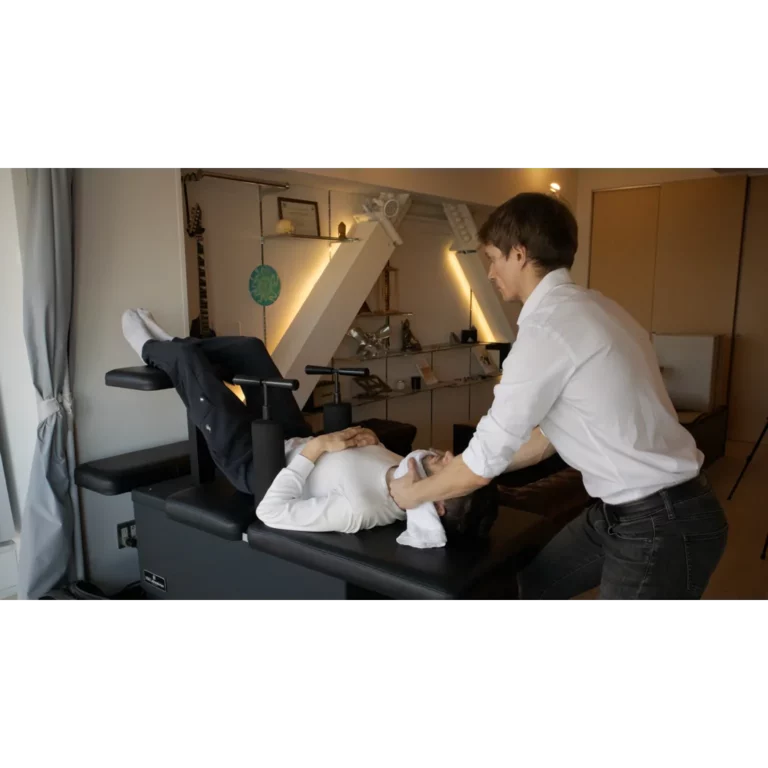
Osteopathy for CrossFit Athletes in Tokyo
A heavy clean that feels fine in the moment can become a stiff lower back the next morning. A shoulder that only pinches at the bottom of an overhead squat may start affecting pull-ups, sleep, and confidence under the bar. Osteopathy for CrossFit athletes is designed for exactly this kind of problem: not simply chasing a painful area, but assessing how your body handles the combined demands of lifting, gymnastics, running, jumping, and repeated high-intensity training.
CrossFit asks a great deal of the body. That does not make pain inevitable, and it does not always mean you need to stop training completely. The right approach depends on your symptoms, training load, technique, recovery, and medical history. Individualized hands-on care can help you understand the source of a limitation and make a practical plan for returning to training with greater comfort and control.
Why CrossFit Pain Is Rarely Just About One Joint
CrossFit movements are interconnected. Limited ankle mobility can change squat depth and knee tracking. Restricted thoracic movement can make an overhead position feel unstable. Hip stiffness or fatigue may lead the lower back to take more load during deadlifts, kettlebell swings, or Olympic lifts.
This does not mean every ache has one simple mechanical cause. Training stress, sleep, previous injuries, work posture, recovery habits, and sudden increases in volume all matter. A skilled osteopathic assessment considers the painful area within the wider movement pattern rather than assuming that a sore shoulder, knee, or back is an isolated problem.
For athletes in Tokyo, this can be particularly relevant when a demanding work schedule sits alongside early-morning or late-evening classes. Consistent training is valuable, but compressed recovery can turn a manageable irritation into a recurring issue.
What Osteopathy for CrossFit Athletes Can Address
Osteopathic care is not a replacement for urgent medical assessment, imaging when clinically needed, or a structured strength and rehabilitation program. It can, however, be a useful part of a well-managed recovery plan for many musculoskeletal concerns.
Common reasons CrossFit athletes seek treatment include lower-back discomfort after lifting, neck and upper-back tension, shoulder pain with pressing or kipping, hip or groin tightness, knee irritation during squats or running, Achilles and calf overload, wrist discomfort in front-rack or handstand positions, and headaches linked to neck tension or stress.
The aim is not to make the body permanently “perfect” before you train. Athletic bodies need to tolerate load, not avoid it forever. Treatment may help reduce sensitivity, improve available movement, and settle overloaded tissues so that you can rebuild capacity through sensible training. Sometimes the most useful recommendation is a short modification to class programming. At other times, an athlete may be able to continue training with a few targeted adjustments.
What Happens During an Osteopathic Appointment
Your appointment should begin with a detailed conversation. You will be asked how the issue started, which movements provoke it, what training you have recently completed, whether symptoms travel or cause numbness, and what you need your body to do in daily life as well as in the gym.
The physical assessment may include posture, joint movement, soft-tissue tension, breathing mechanics, balance, and sport-specific patterns such as a squat, hinge, overhead reach, or lunge. The purpose is not to judge your technique in isolation. It is to identify where movement becomes restricted, guarded, painful, or poorly controlled.
Treatment is then adapted to your presentation and comfort. Depending on what is appropriate, this may include gentle joint mobilization or adjustment, soft-tissue techniques, stretching, craniosacral or biodynamic methods, and guidance on movement and recovery. Osteopathic treatment is hands-on and individualized, not a standard sequence applied to every athlete.
Clear communication matters. You should understand what is being assessed, why a technique is being used, and what you can reasonably expect after treatment. Some people feel lighter or freer immediately. Others notice a gradual change over several days, especially when symptoms have been present for months. Temporary tenderness can occur after manual therapy, particularly in already sensitive or heavily trained tissue.
When to Modify Training Rather Than Push Through
A strong training mindset is an asset, but it can make it difficult to distinguish productive effort from a warning sign. Pain that is sharp, worsening, associated with weakness, numbness, tingling, loss of coordination, or pain at rest deserves careful assessment. Sudden swelling, inability to bear weight, significant trauma, fever, unexplained weight loss, or changes in bowel or bladder function require prompt medical attention.
For less urgent problems, modification is often more productive than complete rest or stubbornly repeating the aggravating movement. Reducing range of motion, load, speed, volume, or frequency can keep you engaged while symptoms settle. For example, an athlete with shoulder pain during kipping may temporarily focus on strict pulling variations, lower-volume work, or lower-body conditioning. Someone with back irritation in heavy deadlifts may benefit from a lighter hinge pattern while assessing trunk control, hip mobility, fatigue, and loading strategy.
The best modification is specific. “Avoid everything” can create unnecessary fear and detraining. “Just push through” can prolong a problem. The middle ground is a plan based on your symptoms and goals.
Recovery Has to Match Your Training Load
Manual therapy can support recovery, but it cannot compensate for a program that consistently exceeds your current capacity. Progress in CrossFit comes from training stress followed by adaptation. When recovery is limited, the same workload can feel very different.
Look honestly at recent changes. Have you increased class frequency, added running, started working toward a new skill, returned after travel, or combined intense sessions with poor sleep? Even a positive change, such as preparing for a competition, can alter tissue tolerance.
Useful recovery habits are usually uncomplicated: adequate sleep, regular meals with sufficient protein and carbohydrates for your workload, hydration, lighter days when needed, and gradual increases in volume. Mobility work can help when it is targeted and consistent, but forcing stretches into a painful range is rarely the answer. A restricted position may reflect fatigue, guarding, weakness, or a joint that is not ready for more range under load.
A Collaborative Plan Works Best
The most effective care for an active athlete is collaborative. Your osteopath can assess and treat the body in front of them, while your coach helps adapt training and reinforce sound movement. When needed, coordination with a physician, physical therapist, or other health professional ensures that injuries requiring further investigation are managed appropriately.
At Osteopath Tokyo, care is tailored to the person rather than the workout alone. Whether you train recreationally, compete locally, or simply want to move through your week without a recurring ache, the goal is to help you return to meaningful activity with a clearer understanding of what your body needs.
Choosing the Right Time to Book
You do not need to wait until pain forces you to miss weeks of training. An assessment can be helpful when a movement has felt restricted for several sessions, when discomfort repeatedly returns after temporary relief, or when you are compensating around an old injury. It can also be valuable before a competition or training block if a known limitation is affecting your confidence or movement quality.
Still, treatment is most useful when it leads to informed action. You may need a few sessions, a change in training exposure, or a referral for further assessment. The number of visits depends on the nature of the problem, how long it has been present, your response to treatment, and the demands you are trying to return to.
Your training should support the life you want outside the gym, not narrow it. When pain or restriction starts changing how you lift, sleep, work, or move, thoughtful assessment can help you make the next training decision with more confidence.