Back Pain Relief That Treats the Cause
A stiff lower back can change the tone of your entire day. Sitting through meetings becomes uncomfortable, sleep gets lighter, exercise starts to feel risky, and even simple movements like putting on shoes can feel surprisingly difficult. When people look for back pain relief, they are often not just asking how to reduce pain. They want to know why it keeps returning, why stretching only helps for a few hours, and what can be done to improve it safely.
That is the right question to ask, because back pain is rarely as simple as one tight muscle or one bad movement. The area that hurts is not always the area causing the problem. For some people, the source is mechanical strain from long hours at a desk. For others, it is a lack of mobility in the hips, tension through the diaphragm and rib cage, old sports injuries, postural adaptation after pregnancy, or irritation of a nerve such as in sciatica. Stress can also play a meaningful role. It changes breathing patterns, increases muscular tension, and keeps the body in a guarded state that slows recovery.
Why back pain relief is often temporary
Many people have already tried rest, massage, stretching videos, or pain medication before seeking more specific care. These can all have value, but they do not always address the reason the back is under strain in the first place. If a lumbar spine is overworking because the hips are restricted, or if the upper back is compensating for poor neck and shoulder mechanics, short-term relief may fade quickly.
This is one reason a whole-body assessment matters. Good treatment does not focus only on the painful spot. It looks at how you move, where you are losing mobility, what tissues are overloaded, and how your daily habits may be maintaining the problem. Back pain can be local, but it is often influenced by the rest of the body.
It also matters whether the pain is acute or chronic. Acute pain may follow a lift, a long flight, an intense workout, or an awkward twist. Chronic pain usually has more layers. There may be irritation, compensation, deconditioning, fear of movement, and repeated flare-ups that have changed the way the body functions over time. That does not mean chronic pain cannot improve. It means the approach needs to be more individualized.
Common patterns behind back pain relief needs
The lower back is the most frequent complaint, but not all low back pain is the same. Some cases are mainly muscular. Others involve joint restriction, disc irritation, or nerve sensitivity. Pain may stay in one area, or travel into the glutes, hip, or leg. That pattern helps guide treatment.
Upper and mid-back pain are also common, especially in people who spend long hours at a computer or carry stress physically. A rigid thoracic spine, rounded shoulders, shallow breathing, and neck tension can create a deep ache between the shoulder blades or across the rib cage. In these cases, treating only the upper back may not be enough. The neck, ribs, shoulders, and breathing mechanics often need attention as well.
Pregnancy and postpartum recovery deserve their own consideration. As the body changes, the pelvis, abdominal wall, diaphragm, and lower back adapt constantly. Some discomfort is common, but ongoing pain should not simply be accepted. Hands-on treatment can often help reduce strain, improve mobility, and support better comfort through these transitions when done with the right experience and appropriate care.
What effective back pain relief should include
The best approach depends on the person in front of you. There is no single technique that suits everyone, and that is where many generic treatment plans fall short. Effective care usually combines pain reduction with a clear plan to improve function.
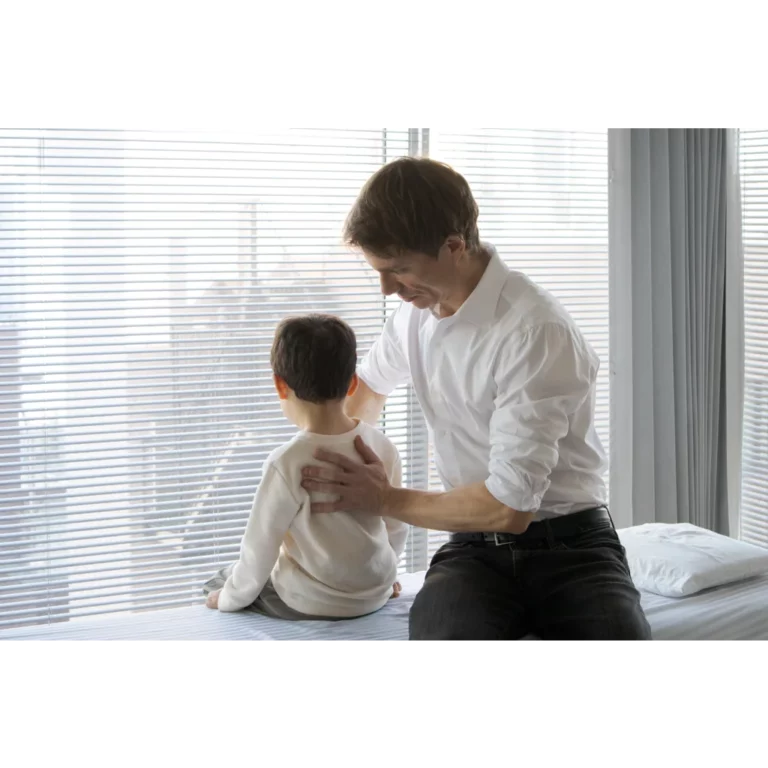
Hands-on treatment can help reduce excessive muscular tension, improve joint mobility, calm irritated tissues, and restore more balanced movement patterns. Soft tissue work may ease protective tightness. Gentle joint mobilization or adjustment may improve restricted motion. Craniosacral or biodynamic approaches may be useful when the nervous system is highly stressed and the body is not tolerating more direct input well. In some cases, the most effective session is not the strongest one. It is the one your body responds to best.
This is especially true when pain has been present for a long time. People with recurrent back pain are often caught between underuse and overuse. They avoid movement because it hurts, then try to push through on a good day and flare up again. A better strategy is usually gradual restoration of comfortable movement, supported by precise manual care and realistic advice.
Back pain relief and the role of osteopathic care
Osteopathic treatment is particularly useful when back pain involves more than one contributing factor. Rather than isolating the back as a separate problem, osteopathy looks at the structural and functional relationships around it. The pelvis, hips, abdomen, rib cage, posture, breathing, previous injuries, and daily movement demands all matter.
For a patient in Tokyo balancing desk work, commuting, training, and family life, this kind of personalized assessment can be the difference between short relief and meaningful progress. At Osteopath Tokyo, treatment is one-on-one and adapted to the individual, whether the issue is acute strain, persistent stiffness, sciatica, pregnancy-related discomfort, or a back that never quite feels settled.
That individualized approach matters because some patients need direct structural work, while others respond better to a gentler treatment style. Some need help returning to sport. Others need support sitting, sleeping, or caring for a baby without pain. The goal is not only to reduce symptoms, but to improve the way the body handles load.
When back pain relief should include medical evaluation
Most back pain is mechanical and responds well to conservative care, but there are times when further medical assessment is important. Severe trauma, unexplained weight loss, fever, significant weakness, changes in bowel or bladder control, or numbness in the saddle area should never be ignored. Constant night pain or pain that is rapidly worsening also deserves prompt attention.
Even without red flags, it is reasonable to seek a more complete evaluation if pain keeps returning, spreads into the leg, or limits normal activity for more than a short period. People often wait too long, hoping the problem will settle on its own. Sometimes it does. Sometimes that delay allows compensation patterns to become more established and harder to unwind.
What you can do between treatments
Good back pain relief is not only about what happens on the treatment table. Small changes in daily behavior can make a noticeable difference, especially when they match your specific pattern.
If prolonged sitting aggravates your back, the answer is usually not perfect posture all day. It is variation. Change positions often, stand briefly, walk when possible, and avoid locking yourself into one shape for hours. If mornings are difficult, gentle movement before pushing into your day may help more than aggressive stretching. If exercise triggers flare-ups, the issue may be load management rather than exercise itself.
Breathing also deserves more attention than it usually gets. Restricted rib movement and shallow chest breathing can increase tension through the neck, upper back, and lower spine. Restoring easier diaphragmatic breathing often helps the back indirectly, especially in patients carrying a high stress load.
The right exercise plan depends on the person. Some benefit from mobility work, others from strength and stability, and many need both. But timing matters. A body in acute pain may need calming first. A body that is no longer highly irritated usually needs progressive movement to stay well.
What to expect from a personalized approach
A thoughtful first visit should leave you with more clarity, not more confusion. You should understand what seems to be driving the pain, what structures may be involved, what treatment is being used, and what the next steps are. You should also feel listened to. That may sound basic, but it is not always common.
Back pain can be straightforward, but it can also be frustratingly layered. The best care respects both realities. It aims to reduce pain, restore motion, and help you return to work, parenting, training, travel, or sleep with more confidence. Sometimes improvement is quick. Sometimes it comes in stages. Honest treatment accounts for that.
If your back has been asking for attention for weeks or months, that is usually a sign to look beyond temporary fixes. Relief matters, but lasting change usually begins when the real drivers of pain are identified and treated with care. Your back does not need guesswork. It needs a precise, calm approach that fits your body and your life.