Lower Back Pain Osteopath Care in Tokyo
That sharp catch when you stand up from your desk, the dull ache after a long train ride, the stiffness that seems worse first thing in the morning – lower back pain can quietly take over your day. If you are searching for a lower back pain osteopath, you are likely not just looking for temporary relief. You want to understand why your back keeps flaring up, and what can be done to help it settle in a lasting, natural way.
Lower back pain is one of the most common reasons adults seek manual therapy, but it is rarely as simple as one tight muscle or one bad movement. In practice, back pain often reflects a combination of factors: long hours sitting, reduced spinal mobility, sports strain, poor recovery, pregnancy-related changes, stress tension, old injuries, or compensation patterns elsewhere in the body. That is why a thoughtful osteopathic approach looks beyond the sore area itself.
What a lower back pain osteopath actually treats
Many people come in assuming their pain must be caused by the lower back alone. Sometimes that is true. Just as often, the lower back is the area that is overworking because something else is not moving or stabilizing well.
An osteopath may assess the lumbar spine, pelvis, sacrum, hips, gluteal muscles, abdominal wall, thoracic spine, and even the way the rib cage moves with breathing. If one region becomes stiff or overloaded, another often compensates. For example, restricted hip mobility can increase stress through the lower back during walking, bending, or exercise. A pelvis under strain during pregnancy or postpartum recovery can also contribute to ongoing discomfort. In athletes, repetitive rotational loads or poor force transfer can create pain that seems local but is actually part of a larger movement problem.
This whole-body view matters because it shapes treatment. If care focuses only on the painful spot, relief may be incomplete or short-lived.
Why lower back pain happens
Lower back pain can begin suddenly after lifting, twisting, sports activity, or even something as ordinary as getting out of bed. It can also build gradually, especially in people with sedentary work, high stress, inconsistent exercise, or a history of previous episodes.
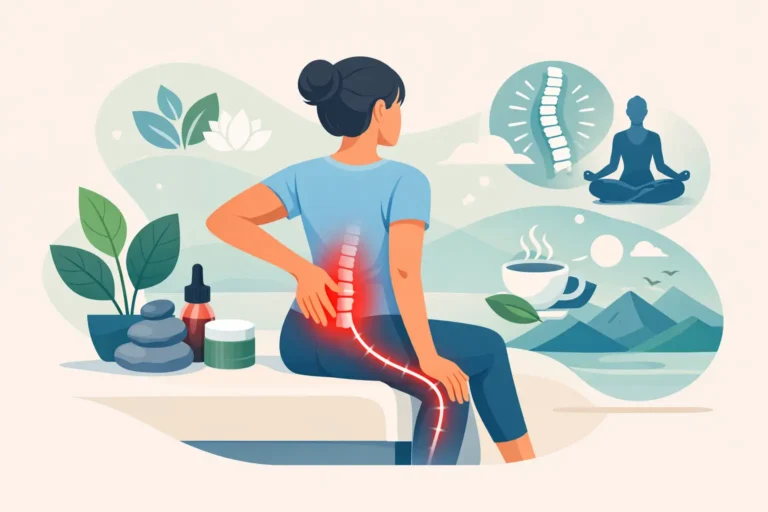
Common contributors include joint restriction, muscular tension, irritated discs, ligament strain, poor movement control, and overload through the sacroiliac region. Some patients also experience pain linked with sciatica, where irritation affects the nerve pathway and symptoms may travel into the buttock or leg. Others feel mostly stiffness, fatigue, or an unstable sensation in the lower back rather than sharp pain.
There is also an important trade-off to understand. Rest may calm an acute flare at first, but too much rest can make the back feel stiffer and less resilient. On the other hand, pushing through pain too aggressively can aggravate symptoms. The right plan usually sits between those extremes.
How osteopathic treatment approaches lower back pain
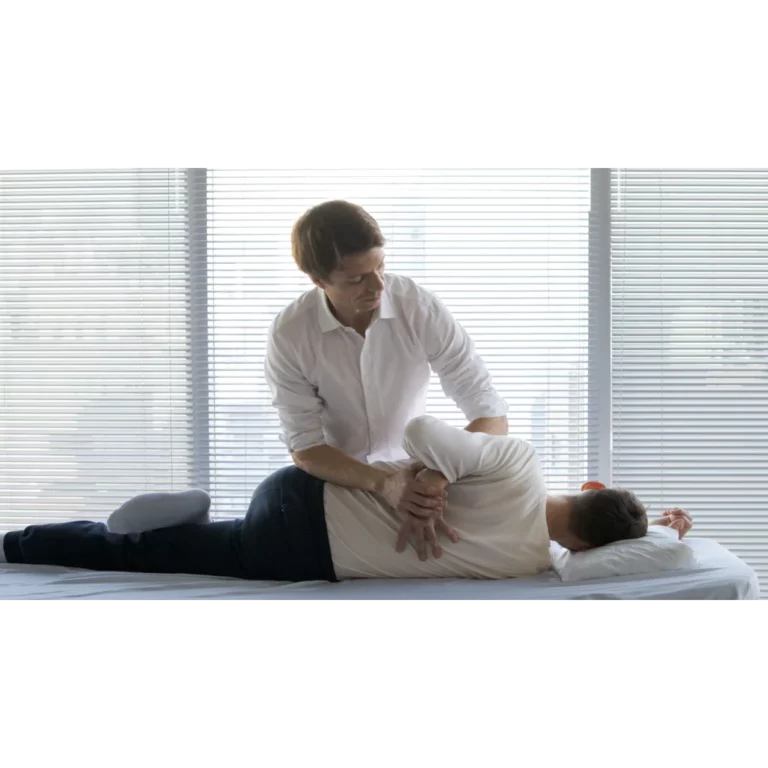
A lower back pain osteopath uses hands-on treatment to improve mobility, reduce tension, support circulation, and help the body move with less strain. The exact approach depends on the person in front of the practitioner.
For one patient, treatment may involve gentle joint mobilization, soft-tissue release, and work around the pelvis and hips. For another, it may include more precise structural techniques to restore motion where the spine or sacroiliac joints feel restricted. In cases with heightened sensitivity, recent flare-ups, pregnancy, or significant guarding, treatment may be softer and more gradual, using indirect methods, craniosacral work, or biodynamic osteopathic techniques to calm the system without forcing change.
This is where experience matters. Good osteopathic care is not about applying the same adjustment to every back pain case. It is about choosing the right method, at the right intensity, for the right stage of recovery.
What to expect at your appointment
A quality osteopathic consultation for lower back pain should feel structured, clear, and individualized. First, there is a conversation about your symptoms, when they started, what makes them better or worse, your work setup, exercise habits, medical history, and any previous scans or treatment.
Then comes the physical assessment. This may include observing posture, testing spinal and hip motion, checking how the pelvis moves, assessing muscular tension, and identifying whether the pain appears mechanical, nerve-related, pregnancy-related, or linked to other compensations.
Treatment usually begins during the same visit, provided it is appropriate and safe to do so. Patients often want to know whether treatment will hurt. In most cases, osteopathic care is designed to be comfortable and adapted to your tolerance. Some techniques feel very gentle. Others may create temporary soreness similar to post-exercise discomfort, but treatment should not feel reckless or impersonal.
At Osteopath Tokyo, this kind of one-on-one approach is especially valuable for international patients who want clear communication in English and a practitioner who can explain both the findings and the treatment plan with precision.
When osteopathy can help most
Osteopathic care can be useful across a wide range of lower back pain presentations. It is often sought by office professionals with posture-related strain, active adults dealing with lifting or running-related pain, and pregnant or postpartum patients whose body mechanics have changed significantly.
It can also be appropriate for recurring episodes – the type of back pain that improves, then returns every few months. In these cases, the goal is not only to reduce the current flare but to identify why the pattern keeps repeating. That may involve addressing stiffness in the hips, weakness in movement control, chronic tension from stress, or unresolved strain after an earlier injury.
The timeline varies. Some acute cases respond quickly. Longstanding pain tends to require more patience, especially when the body has adapted around the problem over time. Honest care means saying that not every back pain issue resolves immediately. Sometimes the best progress comes from steady improvement in pain, movement, sleep, and confidence over several sessions.
When lower back pain needs medical evaluation first
Not every case belongs in an osteopathic treatment room at the start. If lower back pain is accompanied by unexplained weight loss, fever, major trauma, loss of bladder or bowel control, progressive leg weakness, numbness in the groin area, or severe unrelenting night pain, medical evaluation is essential.
The same applies if symptoms are worsening rapidly or do not fit a typical mechanical pattern. Responsible osteopathic care includes recognizing when imaging, specialist referral, or medical management should come first.
The value of a personalized plan
Patients often ask how many sessions they will need. There is no universal number because lower back pain is not a single condition. A mild recent strain in an otherwise healthy person is different from persistent pain in someone balancing desk work, travel, stress, poor sleep, and an old sports injury.
A personalized plan may include a short course of hands-on treatment, advice on pacing activity, changes to workstation setup, mobility work, breathing strategies, or simple home exercises to support the treatment effect. The best plans are realistic. They fit your schedule, your lifestyle, and your current capacity rather than asking for a perfect routine you will never follow.
That practical side matters in Tokyo, where many professionals spend long hours sitting, commuting, and working under pressure. Back pain is often not caused by one dramatic event but by cumulative load without enough recovery.
Choosing the right osteopath for lower back pain
If you are looking for a lower back pain osteopath, it makes sense to choose someone who combines technical skill with careful assessment and clear communication. You want a practitioner who listens closely, adapts treatment to your body, and explains what they are seeing without vague promises.
For many patients, especially expats and multilingual professionals, comfort also comes from being able to describe pain clearly and ask questions in their preferred language. That alone can make the experience feel more precise and less stressful.
The most effective care is rarely rushed. It is attentive, hands-on, and guided by both experience and clinical judgment. Lower back pain may be common, but your case is still individual.
If your back has been limiting your work, sleep, exercise, or peace of mind, getting the right assessment can be the turning point. The aim is not simply to quiet the pain for a day or two, but to help your body move with less tension, better balance, and more confidence again.